
Aquapets ( KowloonAquarium)
Pogostemon Erectus T/C CUP
Pogostemon Erectus T/C CUP
Couldn't load pickup availability
Overview and Botanical Background
Pogostemon erectus is an aquatic plant species belonging to the mint family, Lamiaceae . It's often known in the aquarium trade by common names such as the Indian Star Plant .
-
Taxonomic Note: The plant has several scientific synonyms, including Dysophylla erecta and Eusteralis erecta, which are older names for the same species .
-
Origin: It is native to Western India, specifically recorded in the state of Maharashtra .
Physical Description
This plant is highly valued in aquascaping for its distinctive and attractive appearance. It is a stem plant that produces upright, vertical growth .
-
Leaves: The leaves are its most defining feature. They are thin, needle-like, and a vibrant light green color. They grow in whorls around the stem, giving the plant a soft, feathery, or conifer-like look. Some describe it as resembling a small, green Christmas tree .
-
Size: It is a medium to tall growing plant, typically reaching heights of 15 to 50 cm (approximately 6 to 20 inches) .
-
Growth Habit: As the species name erectus suggests, it has a strong, upright growth habit. When pruned, it branches readily, allowing you to cultivate a dense, bushy group of plants .
-
Emersed Growth: When grown emerged (out of water) in places like paludariums, it adopts a more compact form and can produce small, decorative violet flowers .
Natural Habitat
In the wild, Pogostemon erectus is found in the seasonally dry tropical regions of Western India. While it grows in aquatic environments, its native habitat experiences both wet and dry periods . This adaptability helps it transition between submerged and emerged growth forms.
Aquarium Care and Requirements
Pogostemon erectus is considered a plant of moderate difficulty. It is not the best choice for a low-tech, low-light setup, as it has specific needs to truly thrive and display its best form . Here is a summary of its key requirements:
Propagation and Trimming
Propagating Pogostemon erectus is straightforward. You can simply cut the top portion of a healthy stem (a cutting) and replant it into the substrate. It will quickly develop its own root system .
-
For bushier growth: When the plant reaches the water's surface, trim the main stem to your desired height. Do not discard the top. Replant the trimmed top to create a new plant. The original stem that remains in the substrate will then produce multiple new side shoots from the cut point, resulting in a much fuller and bushier appearance .
-
Tissue Culture: The plant is also widely produced using in-vitro techniques for commercial sale. This method ensures the plants are free from pests, algae, and other contaminants .
Aquascaping Uses
Its fine, bright green texture and vertical growth pattern make it an excellent choice for creating contrast in an aquascape.
-
Background Plant: It is most commonly used as a background plant, where its height and dense growth can form a beautiful, lush green wall .
-
Midground Plant: Under very high light, it grows more compactly and can be used effectively in the midground .
-
Contrast: Its light green, needle-like leaves provide a stunning visual contrast when placed next to plants with broader leaves or those with red or magenta coloration .
Materials
Materials
Shipping & Returns
Shipping & Returns
Dimensions
Dimensions
Care Instructions
Care Instructions
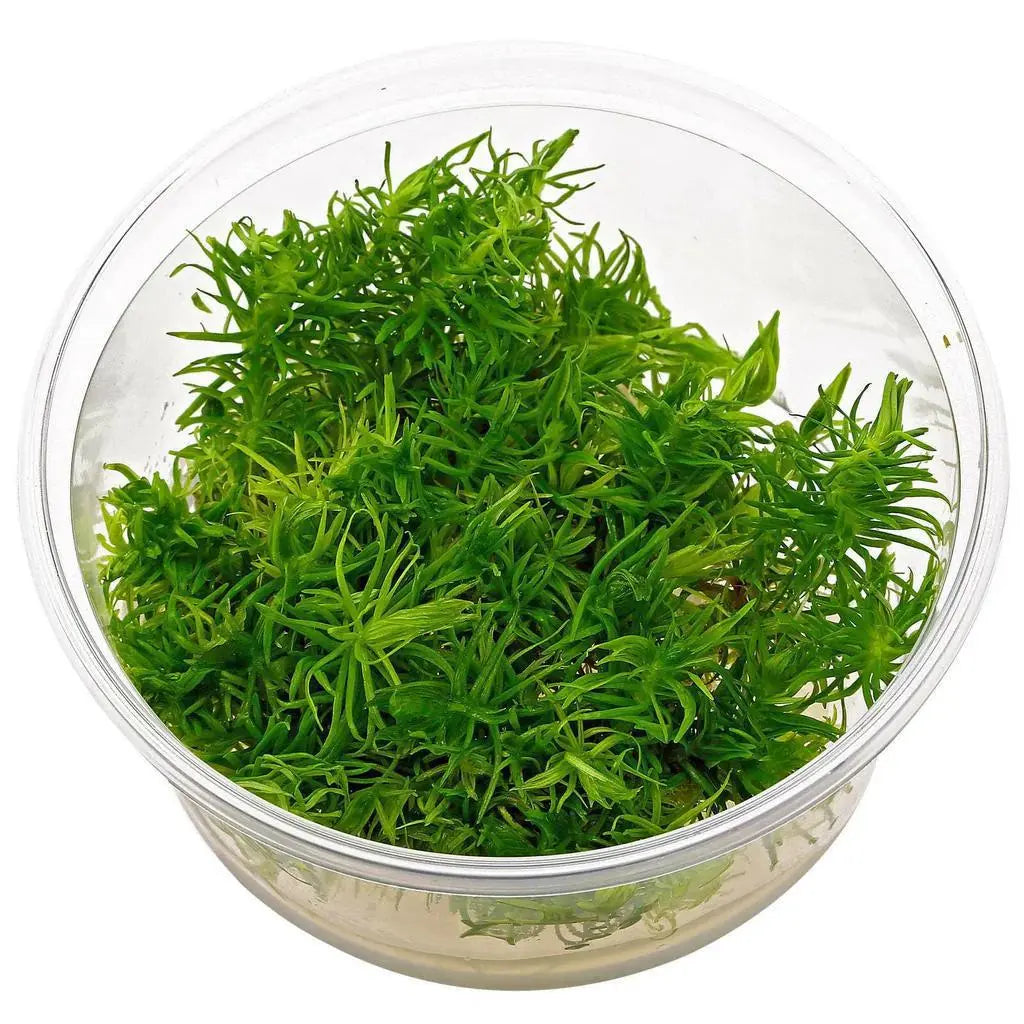
Image with text
Pair text with an image to focus on your chosen product, collection, or blog post. Add details on availability, style, or even provide a review.