
Aquapets ( KowloonAquarium)
Hottonia Inflata (Featherfoil) T/C CUP
Hottonia Inflata (Featherfoil) T/C CUP
Couldn't load pickup availability
Botanical Classification
-
Genus: Hottonia
-
Species: Hottonia inflata Elliott
-
Common Names: American featherfoil, Featherfoil, Water-violet
📝 Physical Description
-
Growth Habit: It is a herbaceous aquatic annual, meaning it completes its life cycle in one year . The plant is rooted in the muddy bottom of shallow water bodies .
-
Stems: The submerged stems are erect, typically reaching 3–5 dm (approx. 12-20 inches) in length .
-
Leaves: The leaves are highly dissected, described as pinnate or bipinnate, which gives them a feather-like appearance . They can be arranged alternately, oppositely, or in whorls along the stem . The leaves nearer the base are more widely spaced, becoming more clustered near the inflorescence .
-
The Most Distinctive Feature (Inflorescence): The plant's most remarkable characteristic is its flower stalk (rachis and peduncle), which is thick, hollow, and strikingly inflated (swollen) . These stalks hold the flowers above the waterline.
-
Flowers: The small flowers are arranged in whorls (verticils) along the inflated stalk, with 3-10 flowers per node . They are sessile or on short pedicels and are subtended by a linear bract . The flowers have five green sepals that are longer than the corolla, and five small petals that are white or greenish-white, measuring 3-6 mm .
-
Fruits and Seeds: The fruit is a small, globose capsule (1.5–3 mm) containing several hundred tiny seeds, each only about 0.4–0.6 mm .
🌎 Habitat and Distribution
-
Native Range: It is native to the central and eastern United States. Its range extends from Maine south to Georgia and west to Texas and Oklahoma, with inland populations reaching north to Missouri, Illinois, Indiana, and Ohio .
-
Habitat: This species is an obligate wetland plant, meaning it almost always occurs in wetlands . It thrives in slow-moving or stagnant, shallow waters. Typical habitats include swamps, millponds, beaver ponds, oxbows, quiet backwaters of rivers, and ditches .
-
Elevation: It is typically found at low elevations, from 0-200 meters .
Materials
Materials
Shipping & Returns
Shipping & Returns
Dimensions
Dimensions
Care Instructions
Care Instructions
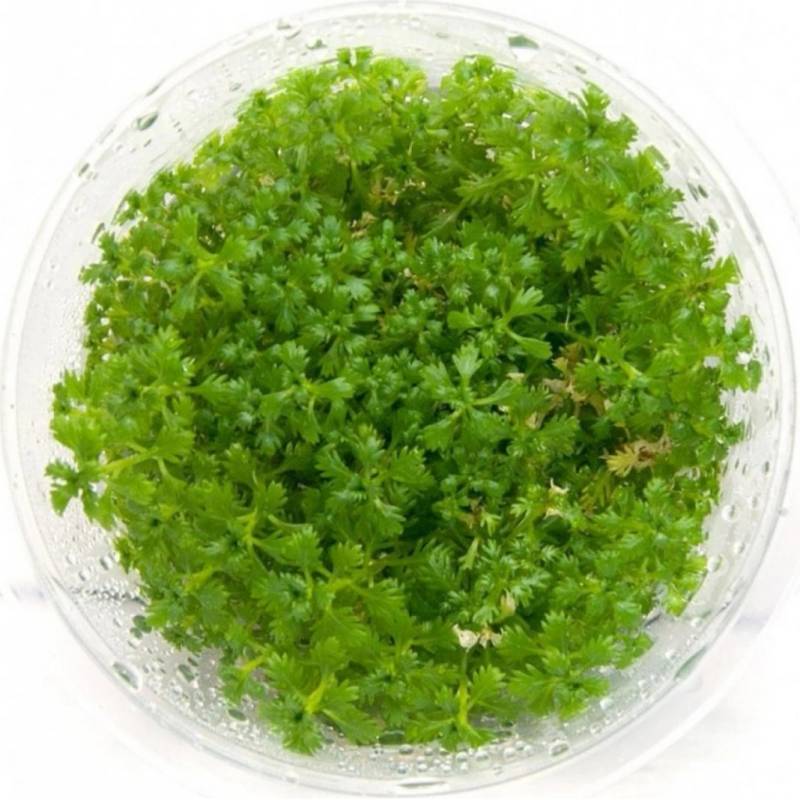
Image with text
Pair text with an image to focus on your chosen product, collection, or blog post. Add details on availability, style, or even provide a review.