
Aquapets ( KowloonAquarium)
False Julii Cory(Corydoras Trilineatus)
False Julii Cory(Corydoras Trilineatus)
Couldn't load pickup availability
False Julii Cory — The Spotted Gem of the Aquarium Floor
Lively, social, and endlessly entertaining, the False Julii Cory (Corydoras trilineatus) is one of the most beloved bottom-dwellers in the freshwater hobby. With its intricate leopard-spot pattern and bold lateral stripe, this armoured catfish brings both beauty and personality to any community aquarium.
Watch a group of Julii Corys dart across a sandy substrate, whiskers twitching as they forage together — it's the kind of natural behaviour that makes a tank feel truly alive.
Care at a Glance
- Common Name: False Julii Cory, Leopard Corydoras
- Scientific Name: Corydoras trilineatus
- Origin: Brazil (lower Amazon tributaries)
- Adult Size: Up to 2 inches (5 cm)
- Lifespan: 5 – 10 years
- pH: 6.0 – 7.5
- Temperature: 22 – 26°C (72 – 79°F)
- Temperament: Peaceful, social bottom-dweller
- Difficulty: Beginner – Easy
Tank & Setup Tips
Corydoras thrive in groups of 6 or more — their schooling behaviour is most pronounced and natural in larger groups. Use a soft sand or fine gravel substrate to protect their sensitive barbels. Add caves, driftwood, and low-light plants to give them places to explore and rest. A minimum 20-gallon tank is recommended for a proper group.
Feeding
Feed sinking pellets, wafers, or Corydoras-specific foods as a staple. Supplement with frozen bloodworms, brine shrimp, daphnia, or blanched vegetables as treats. They are most active at dusk, so evening feedings work best.
Compatible Tank Mates
Excellent community fish. Pairs beautifully with tetras, rasboras, livebearers, gouramis, and dwarf shrimp. Avoid aggressive species or large cichlids that may stress or harm them.
Breeding
False Julii Corys breed readily in captivity. A partial water change with slightly cooler water often triggers spawning. Females deposit adhesive eggs on plant leaves or aquarium glass, which hatch in 3–5 days.
📸 Photos are for reference only. Actual fish may vary slightly in colour and pattern — each one is uniquely beautiful!
Materials
Materials
Shipping & Returns
Shipping & Returns
Dimensions
Dimensions
Care Instructions
Care Instructions
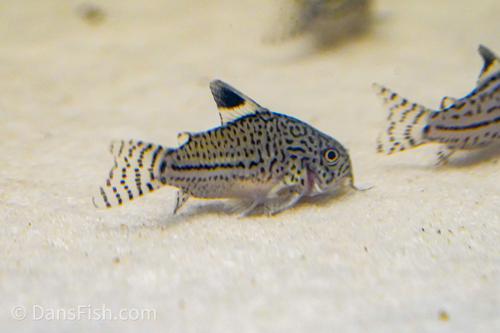
Image with text
Pair text with an image to focus on your chosen product, collection, or blog post. Add details on availability, style, or even provide a review.