
Aquapets ( KowloonAquarium)
Green Neon Shrimp (Caridina Babaulti)
Green Neon Shrimp (Caridina Babaulti)
Couldn't load pickup availability
The Green Neon Shrimp (Caridina babaulti) is a fascinating and visually striking freshwater shrimp, highly prized by aquarium hobbyists for its unique green coloration and interesting behaviors . Here are the detailed care requirements and characteristics you need to know.
Origin and Appearance
This shrimp originates from freshwater streams and rivers in India, specifically collected and named after Mr. Guy Babault in 1914 .
-
Coloration: Its body displays a vibrant green, which can range from a bright neon to a deeper, darker shade, sometimes with a subtle seledine (light green) stripe down its back . A key feature is its ability to change color based on mood, diet, and environment, shifting from green to brownish, orange, or even red hues .
-
Size: They are sexually dimorphic, meaning males and females look different. Females are larger, reaching up to 3.5 cm (about 1.4 inches) and have a fuller, more rounded body, while males are smaller and slender, growing to about 2.5 cm (1 inch) .
-
Key Feature: They have a distinct, elongated "nose" (rostrum), which helps distinguish them from other green shrimp like the "Dark Green" shrimp .
Water Parameters and Tank Setup
While adaptable, they thrive in stable, well-established aquariums that mimic their natural environment .
-
Water Chemistry:
-
Temperature: 20°C to 26°C (68°F to 79°F). They can tolerate slightly higher but prefer stability .
-
pH (Acidity/Alkalinity): 6.8 to 7.8. They prefer slightly alkaline water, and a higher pH (around 7.5-8.0) is often needed to encourage breeding .
-
GH (General Hardness): 4-12 dGH. They need minerals in the water for molting .
-
KH (Carbonate Hardness): 0-10 dKH. A higher KH (4+ dKH) is recommended for successful breeding .
-
-
Tank Setup:
-
Tank Size: A minimum of 10 liters (about 2.6 gallons) is acceptable, but a 20-liter (5+ gallon) tank is recommended for a stable colony .
-
Environment: Provide plenty of live plants (like Java moss, Riccia, and Najas), driftwood, and leaf litter (e.g., Indian Almond leaves). These provide hiding spots, grazing areas, and surfaces for biofilm, which is their primary food source .
-
Filtration: A sponge filter is ideal as it provides gentle flow and oxygenation without the risk of sucking up baby shrimp .
-
Diet and Feeding
As omnivores, Green Neon Shrimp are excellent scavengers that spend their day grazing on algae and biofilm .
-
Primary Food: Algae and biofilm in a mature tank.
-
Supplemental Food: They are not picky and will enjoy high-quality sinking pellets, algae wafers, and blanched vegetables like spinach or zucchini .
-
Feeding Tip: Feed only what they can consume in 2-3 hours, once a day. Overfeeding can pollute the water .
Breeding
Breeding Caridina babaulti is moderately challenging and a rewarding next step for dedicated hobbyists .
-
Reproduction: They have direct development. The young hatch as miniature, fully-formed versions of the adults, requiring no special food or brackish water .
-
Breeding Process:
-
Key to Success: Stable, clean water and a well-established tank are critical for the survival of the delicate shrimplets . Many keepers report that slightly alkaline water (pH 7.5-8.0) is a trigger for successful breeding .
Behavior and Tank Mates
-
Temperament: They are peaceful and non-aggressive, making them ideal for community tanks .
-
Activity: They can be skittish, especially in small groups, but become more confident and visible in larger colonies of 5 or more .
-
Compatibility:
-
Good Mates: Other peaceful dwarf shrimp like Cherry Shrimp (Neocaridina) and small, non-predatory fish like Otocinclus catfish . Importantly, they do not crossbreed with Neocaridina species, ensuring the purity of both colonies .
-
Avoid: Large or aggressive fish that will prey on them, such as cichlids or large barbs.
-
Materials
Materials
Shipping & Returns
Shipping & Returns
Dimensions
Dimensions
Care Instructions
Care Instructions
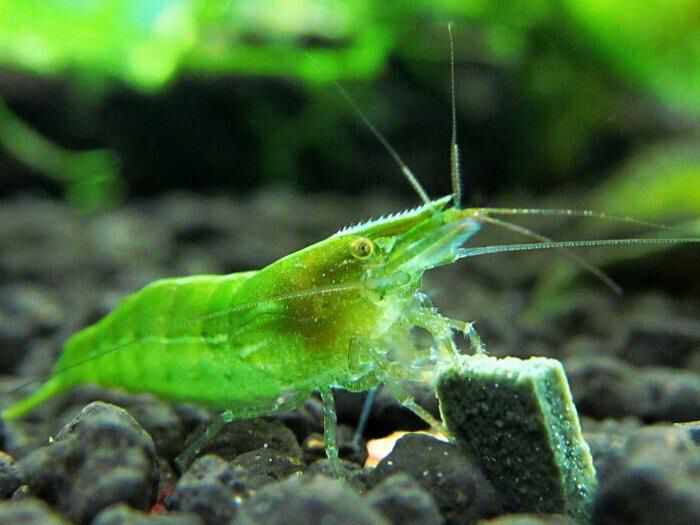
Image with text
Pair text with an image to focus on your chosen product, collection, or blog post. Add details on availability, style, or even provide a review.