Aquapets ( KowloonAquarium)
Blue Berry Snail (Notopala sp."Blueberry")
Blue Berry Snail (Notopala sp."Blueberry")
Couldn't load pickup availability
Blueberry Snail — A Deep Blue Jewel from the Rivers of Papua
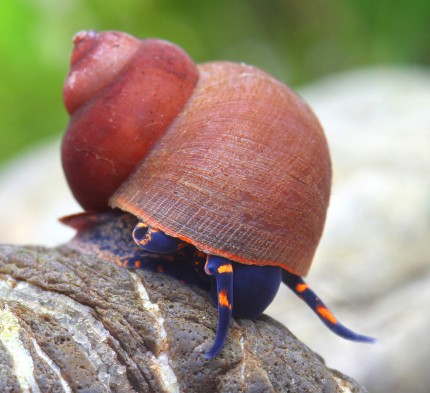
Rich, velvety, and strikingly beautiful, the Blueberry Snail (Notopala sp. "Blueberry") is one of the most visually stunning freshwater snails in the hobby. Named for its deep, saturated blue-purple body colouration that evokes a cluster of ripe blueberries, this rare viviparid snail from Papua, Indonesia is a true collector’s gem — a living jewel that transforms any aquarium into something extraordinary.
Paired with a pink to reddish-brown shell and a body shimmering with golden speckles, the Blueberry Snail is as eye-catching as it is peaceful. Hardy, beginner-friendly, and a gentle algae grazer, it’s the perfect combination of beauty and practicality for planted tanks and shrimp setups alike.
Care at a Glance
- Common Name: Blueberry Snail, Blue Berry Snail
- Scientific Name: Notopala sp. "Blueberry" (family Viviparidae)
- Origin: Papua, Indonesia
- Shell Colour: Pink to reddish-brown
- Body Colour: Deep blue-purple with golden speckles
- pH: Above 7.5 (alkaline water essential for shell health)
- General Hardness (GH): 6 – 22
- Carbonate Hardness (KH): 3 – 15
- Temperature: 20 – 28°C (68 – 82°F)
- Minimum Tank Size: 15 litres (4 gallons)
- Temperament: Very peaceful
- Breeding: Livebearer — gives birth to fully formed juvenile snails in freshwater
- Difficulty: Beginner – Easy
Tank & Setup Tips
Blueberry Snails thrive in clean, well-filtered water with a pH above 7.5 — alkaline, moderately hard water is essential to maintain shell integrity and prevent erosion. Soft or acidic water will damage the shell over time and should be avoided. Regular water changes and stable parameters keep them active and healthy.
They appreciate natural algae growth on rocks and glass, smooth substrate for grazing, and open areas to explore. Avoid copper-based medications at all costs — these are lethal to all snails and invertebrates.
Feeding
Omnivorous grazers. Feed naturally on algae, biofilm, and decaying plant matter in the tank. Supplement with blanched vegetables (zucchini, cucumber, spinach), brown autumn leaves, algae wafers, and snail-specific paste foods. Feed every 1–2 days, removing uneaten food promptly to maintain water quality.
Compatible Tank Mates
Extremely peaceful and compatible with a wide range of tank inhabitants. Ideal companions include dwarf shrimp (Neocaridina, Caridina), other peaceful snails, freshwater mussels, and small to medium peaceful fish. Avoid pufferfish, large cichlids, or any snail-eating species.
Breeding
A livebearer — females give birth to fully formed, miniature juvenile snails directly in freshwater. No eggs, no larval stage. Population growth is slow and manageable, making them an excellent choice for community and shrimp tanks without risk of overpopulation.
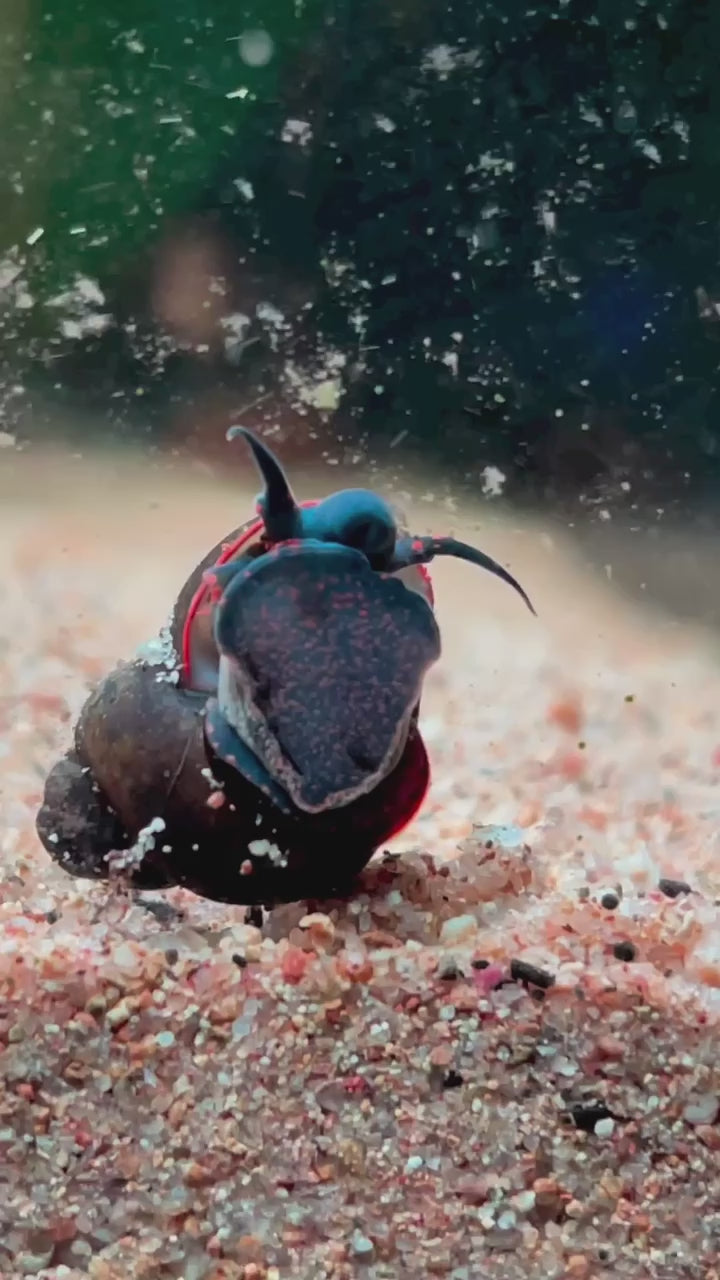
📸 Photos are for reference only. Actual snails may vary slightly in colour and shell pattern — each one is uniquely beautiful!
Materials
Materials
Shipping & Returns
Shipping & Returns
Dimensions
Dimensions
Care Instructions
Care Instructions
Image with text
Pair text with an image to focus on your chosen product, collection, or blog post. Add details on availability, style, or even provide a review.