
Aquapets ( KowloonAquarium)
Blue Jelly Shrimp ( Neocaridina Davidi )
Blue Jelly Shrimp ( Neocaridina Davidi )
Couldn't load pickup availability
Blue Jelly Shrimp (Neocaridina davidi var. "Blue Jelly") are a fantastic choice for freshwater aquariums, prized for their delicate, translucent blue color and peaceful nature. They are a great option for beginners because they are quite hardy and easy to care for.
Here are the key details to help you care for them:
Quick Reference & Origin
Optimal Water Parameters
Stable water conditions are the most important factor for keeping Blue Jelly Shrimp healthy.
Important: Blue Jelly Shrimp are very sensitive to ammonia and nitrites. Your tank must be fully cycled before adding them. Avoid using any medications containing copper, as it is toxic to all invertebrates.
Tank Setup & Aquascaping
-
Tank Size: A minimum of 5 gallons is acceptable for experienced keepers, but a 10-gallon (approx. 20 liters) tank is highly recommended for beginners. A larger tank provides a more stable environment.
-
Filtration: A gentle filter, such as a sponge filter, is ideal to prevent the shrimp (especially babies) from being sucked in.
-
Heater: A heater is not strictly necessary if your room temperature remains stable within their ideal range. If your home gets cold, a heater will help maintain consistency.
-
Substrate: A dark substrate, like dark gravel or sand, will make their light blue color "pop" beautifully.
-
Plants & Décor: Blue Jelly Shrimp need plenty of hiding places to feel secure and thrive. Live plants are essential, especially mosses like Java Moss, which provide a perfect grazing ground and shelter for baby shrimp.
Diet and Feeding
Blue Jelly Shrimp are omnivorous scavengers and will constantly graze on biofilm and algae in the tank.
-
Supplemental Food: In a smaller tank or a new setup, you should supplement their diet. Options include:
-
Feeding Tip: Feed only a small amount once every day or two. Overfeeding can pollute the water and harm your shrimp.
Breeding
One of the joys of keeping Blue Jelly Shrimp is that they are prolific and easy to breed in a well-maintained aquarium.
-
Breeding Process: Females will carry a clutch of yellow or green eggs under their tail (a state called being "berried") for about 30 days.
-
Shrimplets: The young hatch as tiny, fully-formed versions of the adults and can fend for themselves immediately. Dense moss provides them with the best chance of survival by offering protection from being eaten.
Tank Mates
Blue Jelly Shrimp are peaceful and can be kept with other non-aggressive tank mates.
-
Good Companions: Other small, peaceful invertebrates like snails or other Neocaridina shrimp species (though be aware they can interbreed). Small, peaceful fish like Otocinclus catfish or micro rasboras can also work, especially in a larger, heavily planted tank.
-
What to Avoid: Any fish large enough to eat them, including most cichlids, angelfish, and even bettas in some cases.
A Note on Interbreeding: While Blue Jelly Shrimp are a variety of Neocaridina davidi, they can interbreed with other varieties of the same species (like Red Cherries or Blue Dreams). This crossbreeding will eventually cause the offspring to lose their bright, specific colors and revert to a "wild-type" brown color. If you want to keep their vibrant blue color pure, it's best to keep them only with other Blue Jelly Shrimp.
Materials
Materials
Shipping & Returns
Shipping & Returns
Dimensions
Dimensions
Care Instructions
Care Instructions
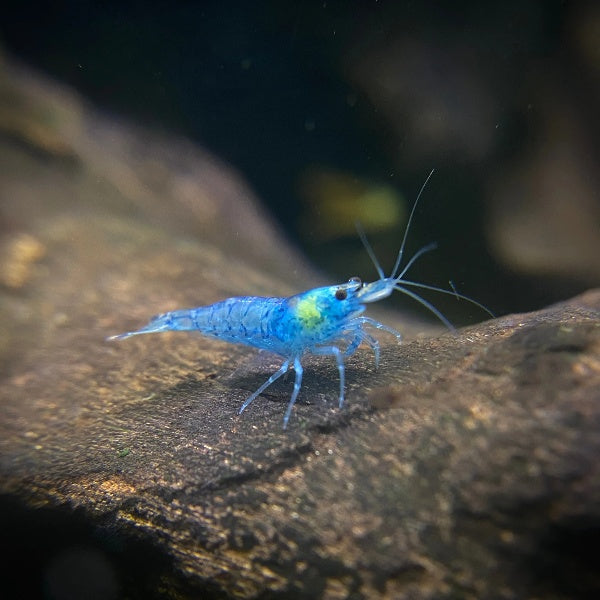
Image with text
Pair text with an image to focus on your chosen product, collection, or blog post. Add details on availability, style, or even provide a review.