

Aquapets ( KowloonAquarium)
Nymphaea Stellata
Nymphaea Stellata
Couldn't load pickup availability
Botanical Nomenclature and Taxonomy
Nymphaea stellata is a name you will frequently encounter in older botanical and horticultural literature. However, its accepted scientific name today is Nymphaea nouchali . The name "stellata" (meaning "star-shaped" in Latin) is now considered a synonym, but it is still widely used to describe this plant . It belongs to the subgenus Brachyceras, which consists of day-blooming tropical water lilies .
Morphological Characteristics
This plant has several distinct physical features:
-
Growth Habit: It is a day-blooming, perennial aquatic herb with submerged roots and stems . Part of its leaves are submerged, while others float on the surface .
-
Leaves: The leaves (or pads) are rounded to elliptic and green on top, often with a darker, purplish underside . Their size is quite variable, ranging from 7-13 cm to as large as 20-45 cm, with a spread that can reach up to 1.5 meters from the rhizome . The leaf edges are often wavy or toothed .
-
Flowers: The star-shaped flowers are the plant's most notable feature, typically blooming during the day . The flower diameter is highly variable, ranging from 3-15 cm to as large as 20-30 cm .
Distribution and Habitat
N. nouchali has a wide native range, found in static or slow-moving freshwater habitats like ponds, tanks, and lakes across tropical and subtropical regions . This includes the Indian subcontinent (where it is very common, especially in the Eastern Ghats), Southeast Asia, China, Taiwan, the Philippines, New Guinea, and parts of Australia and Africa .
Cultural and Medicinal Significance
This plant holds significant value in various cultures:
-
National Symbol: It is the national flower of both Bangladesh and Sri Lanka. In Sri Lanka, the blue-flowered variety is known as "nil mānel" and is revered in Buddhist culture as a symbol of virtue and purity .
-
Traditional Medicine: In the Ayurvedic and Siddha systems of India, N. stellata is a well-known medicinal plant, classified as a "bitter" tonic. It has been traditionally used to treat a wide range of ailments, including diabetes, inflammation, liver disorders, and urinary issues .
-
Modern Research: Scientific studies have validated some of its traditional uses. A compound called Nymphayol, isolated from the flowers, has been shown to possess anti-diabetic properties by helping to regenerate insulin-producing cells .
Materials
Materials
Shipping & Returns
Shipping & Returns
Dimensions
Dimensions
Care Instructions
Care Instructions
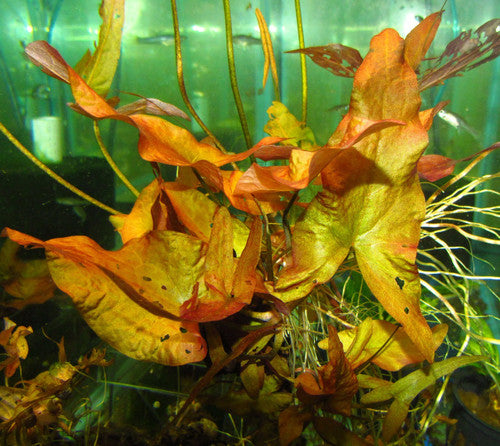
Image with text
Pair text with an image to focus on your chosen product, collection, or blog post. Add details on availability, style, or even provide a review.